






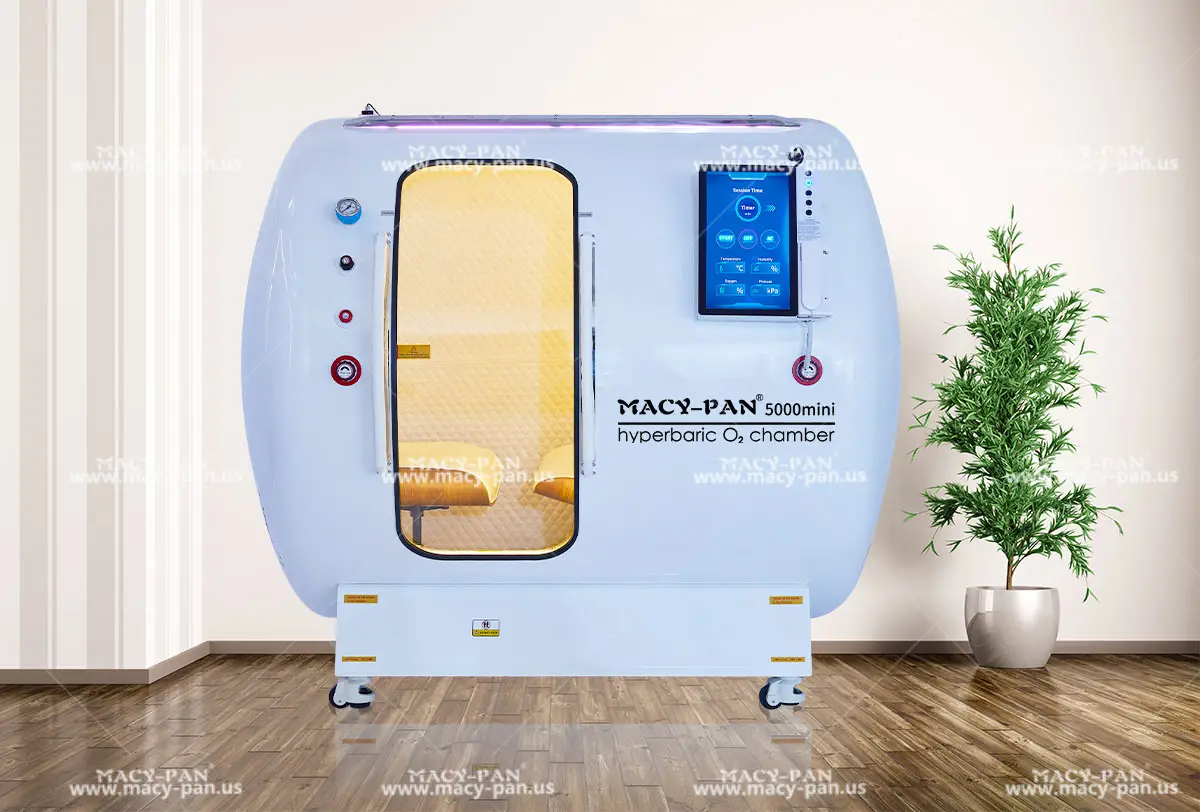

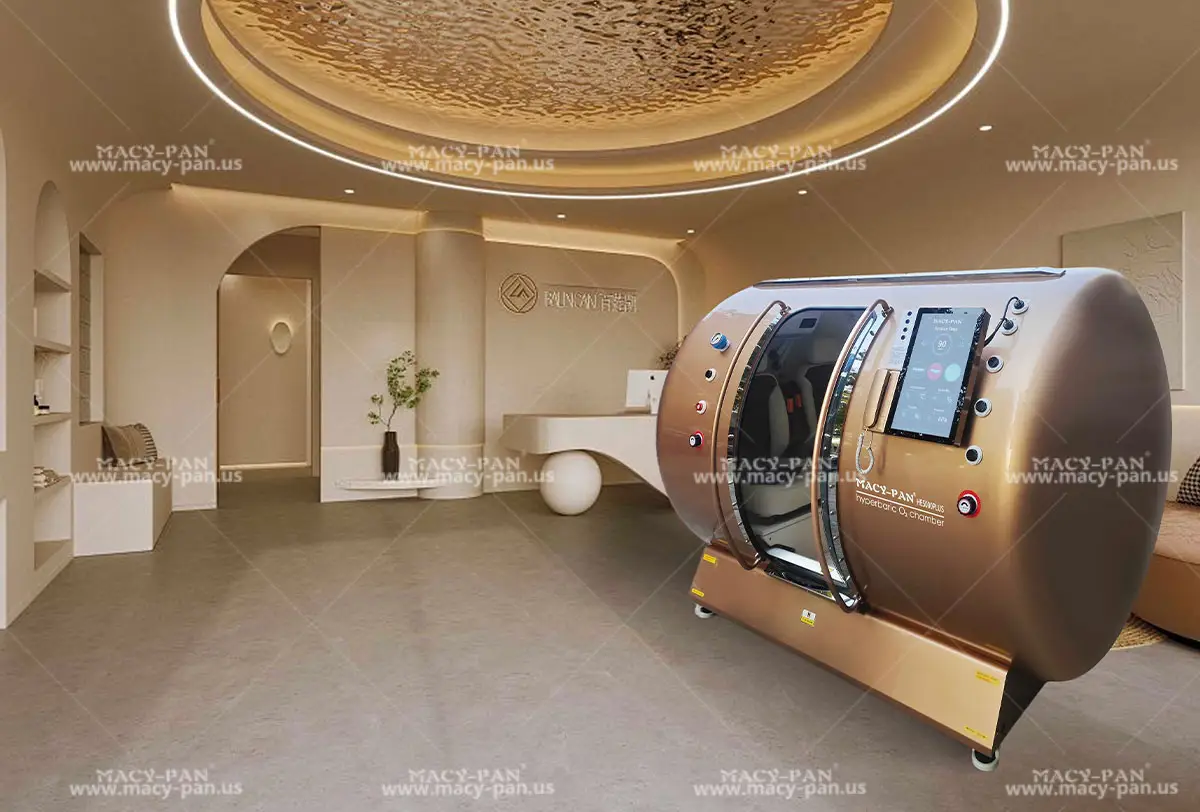
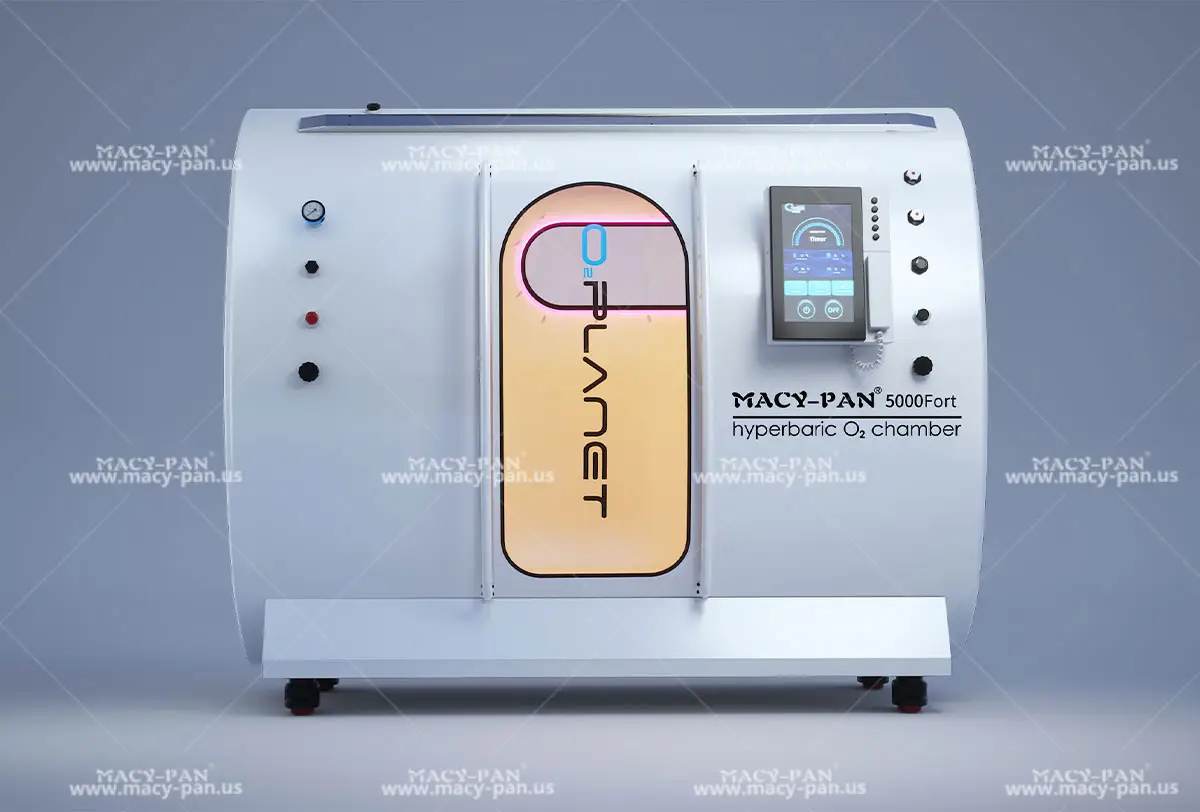
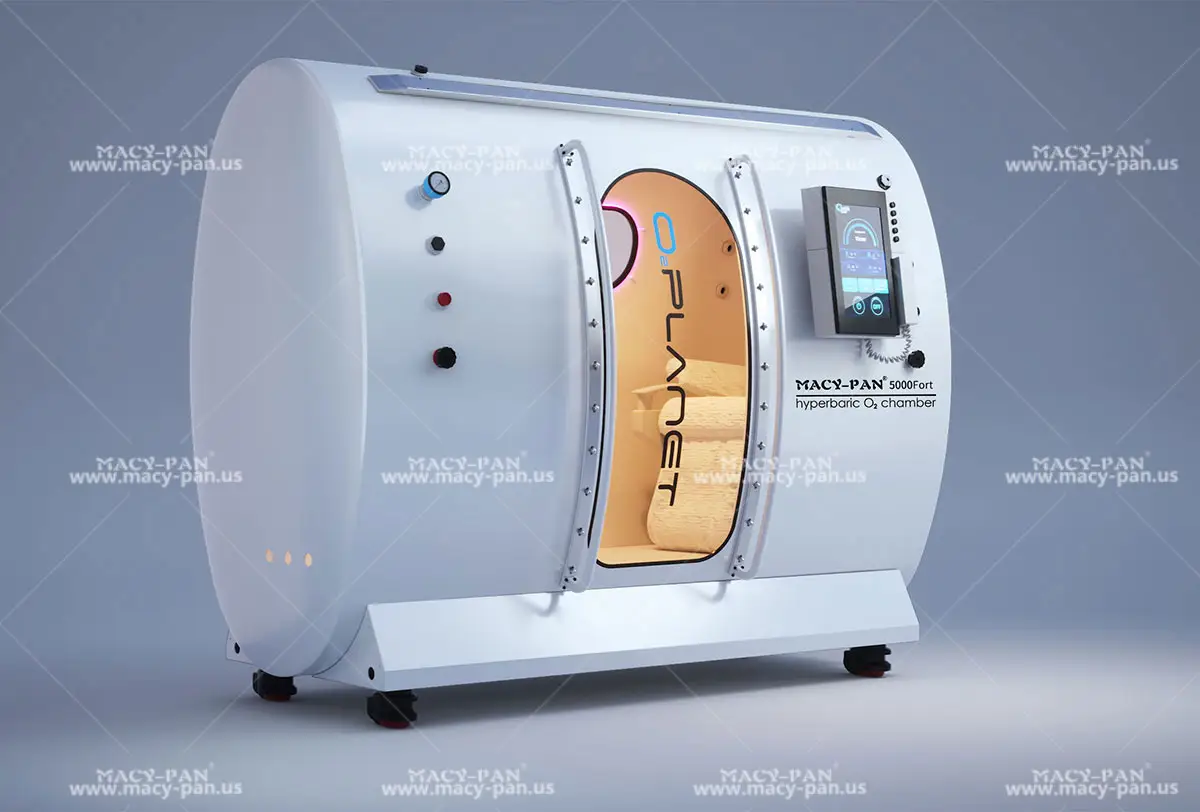
HBOT – Non-Invasive Healing for Clinical and Sub-Health Needs
2026-01-08Sleep, which should be a gentle restoration for body and mind, has become a source of nightly struggle for many. When traditional methods fail to address the root cause, Hyperbaric Oxygen Therapy (HBOT) – a treatment involving inhaling high-concentration oxygen in a pressurized environment – is bringing new hope to those suffering from insomnia, anxiety, and nighttime choking sensations.
Take 55-year-old Ms. Yang, who endured long-term insomnia, frequent night awakenings with a sense of suffocation, and found no relief after trying various therapies at multiple hospitals. After undergoing 20 HBOT sessions at Jinan Third People's Hospital, her symptoms completely disappeared, and her sleep quality improved remarkably. Another patient, Ms. Zhang, experienced severe anxiety during hospitalization, leading to severe sleep onset difficulty. After just a few HBOT sessions, she achieved restful sleep and her daytime mental state significantly improved.
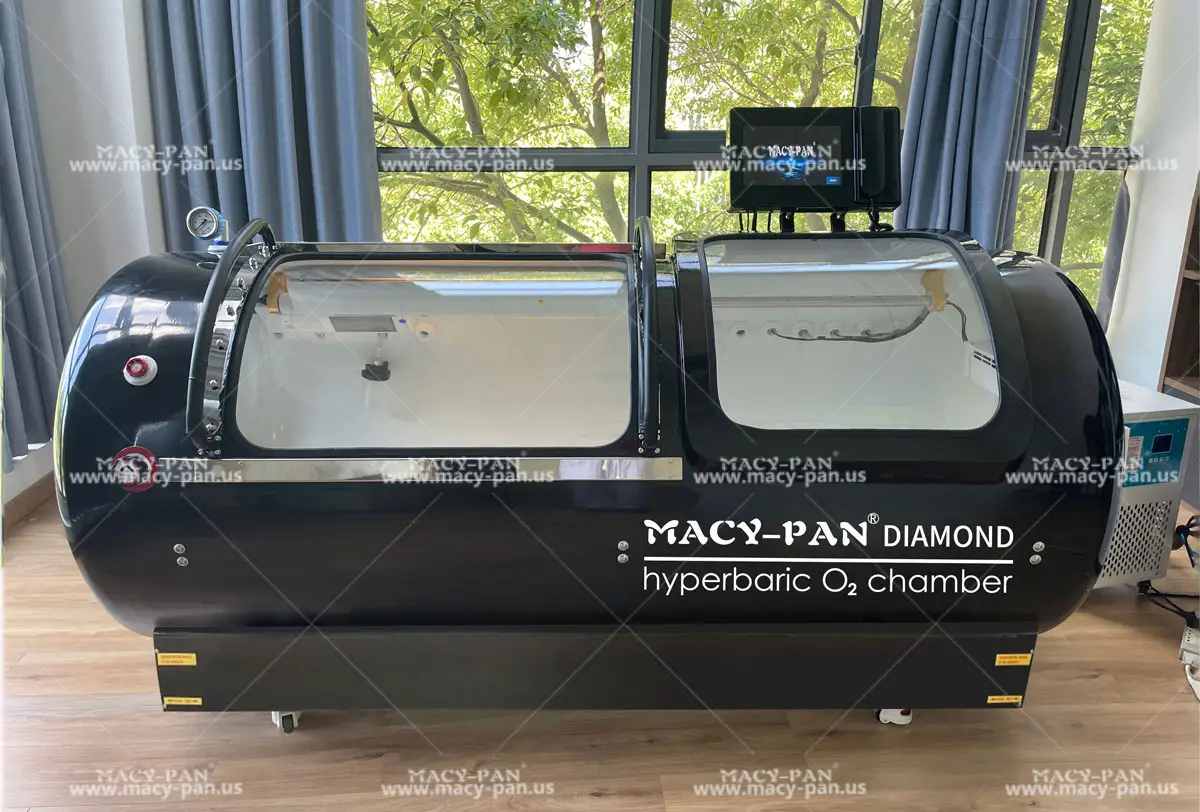
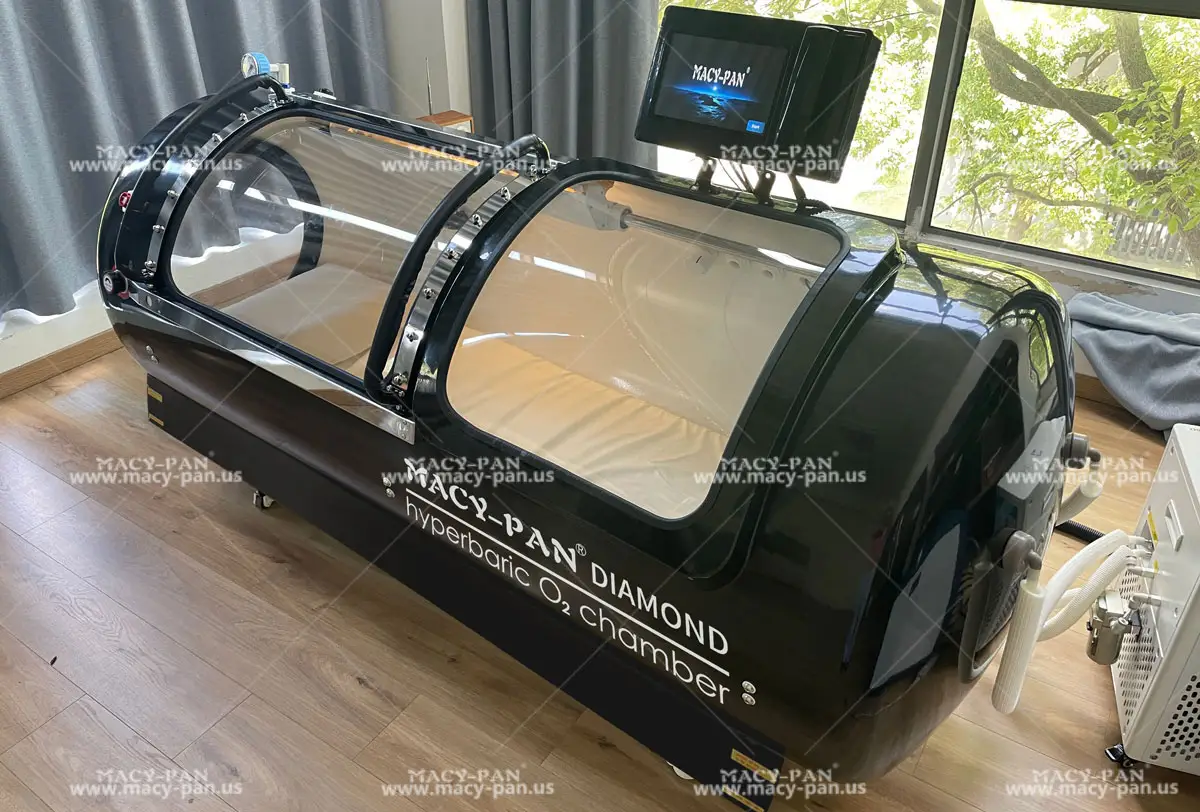
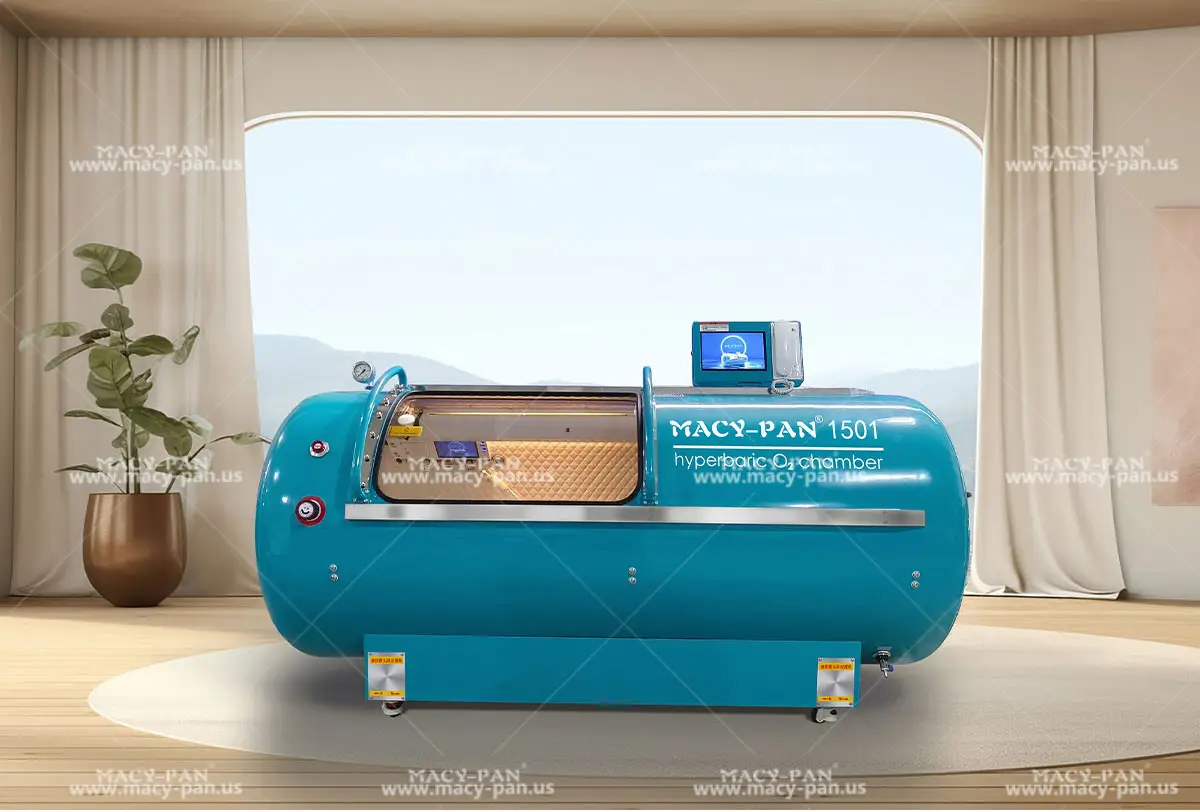
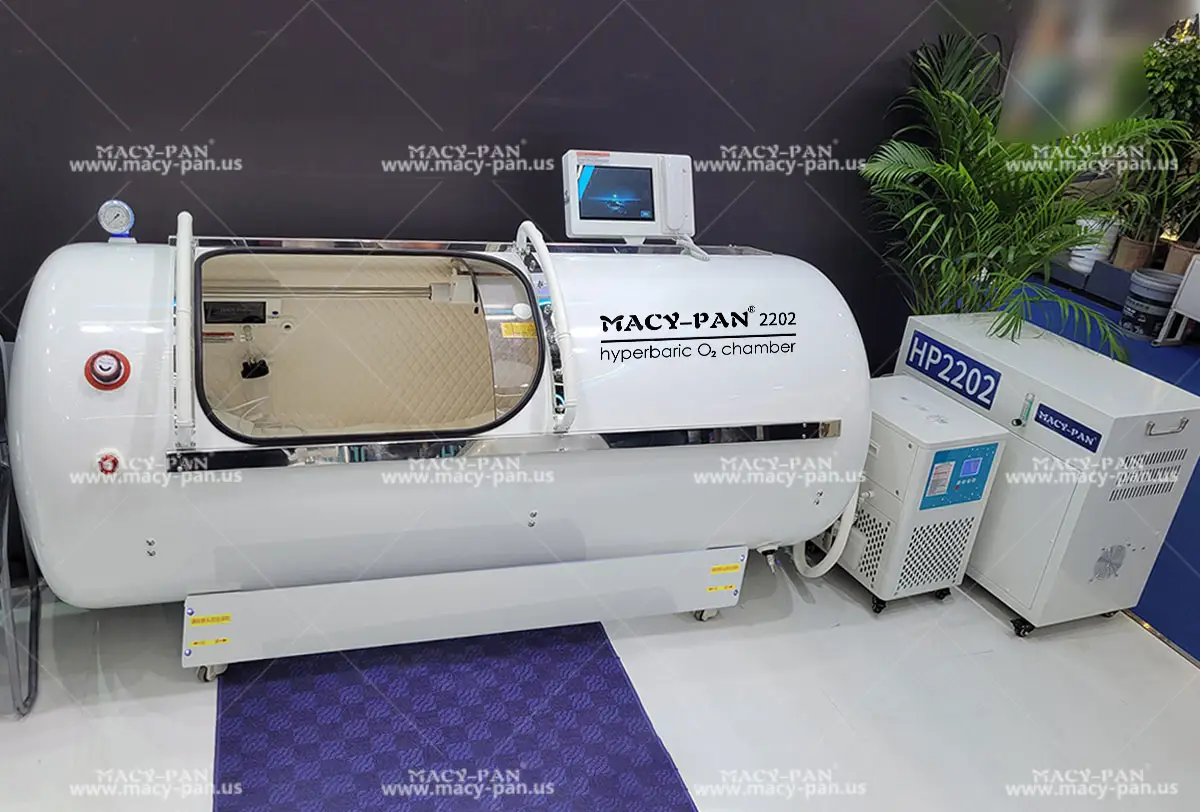
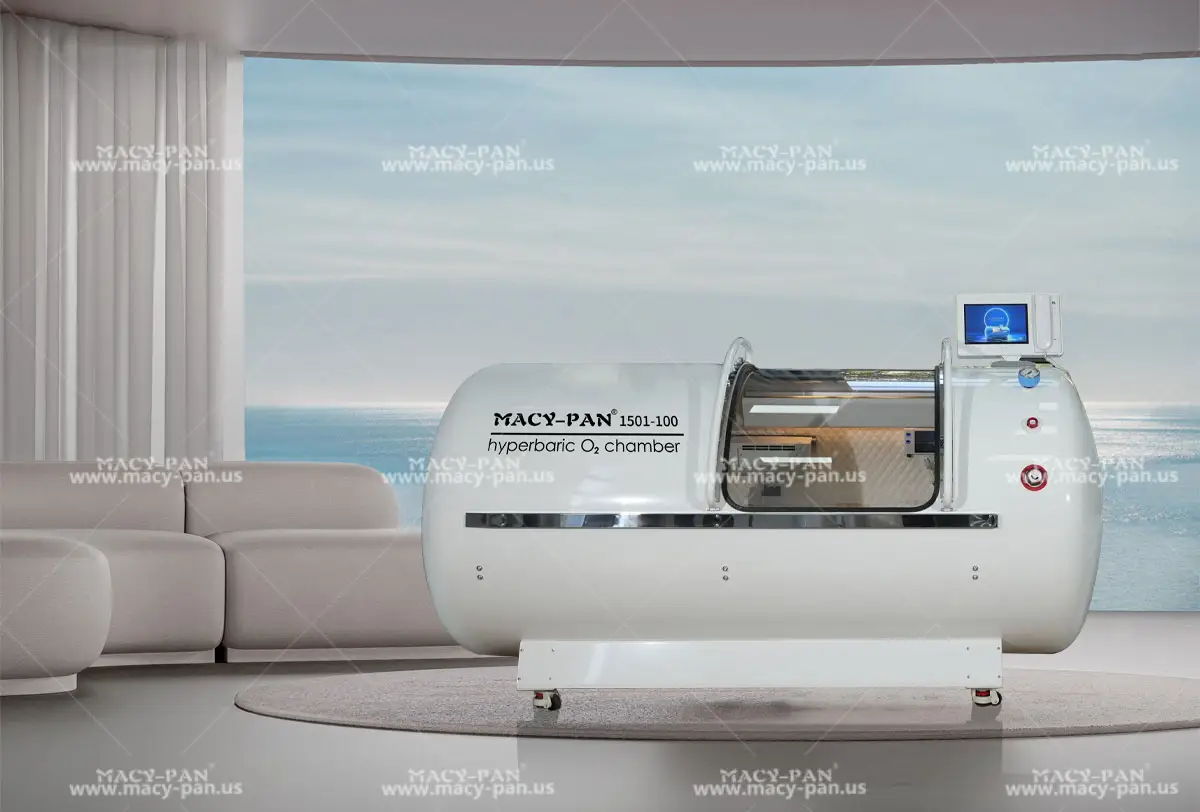
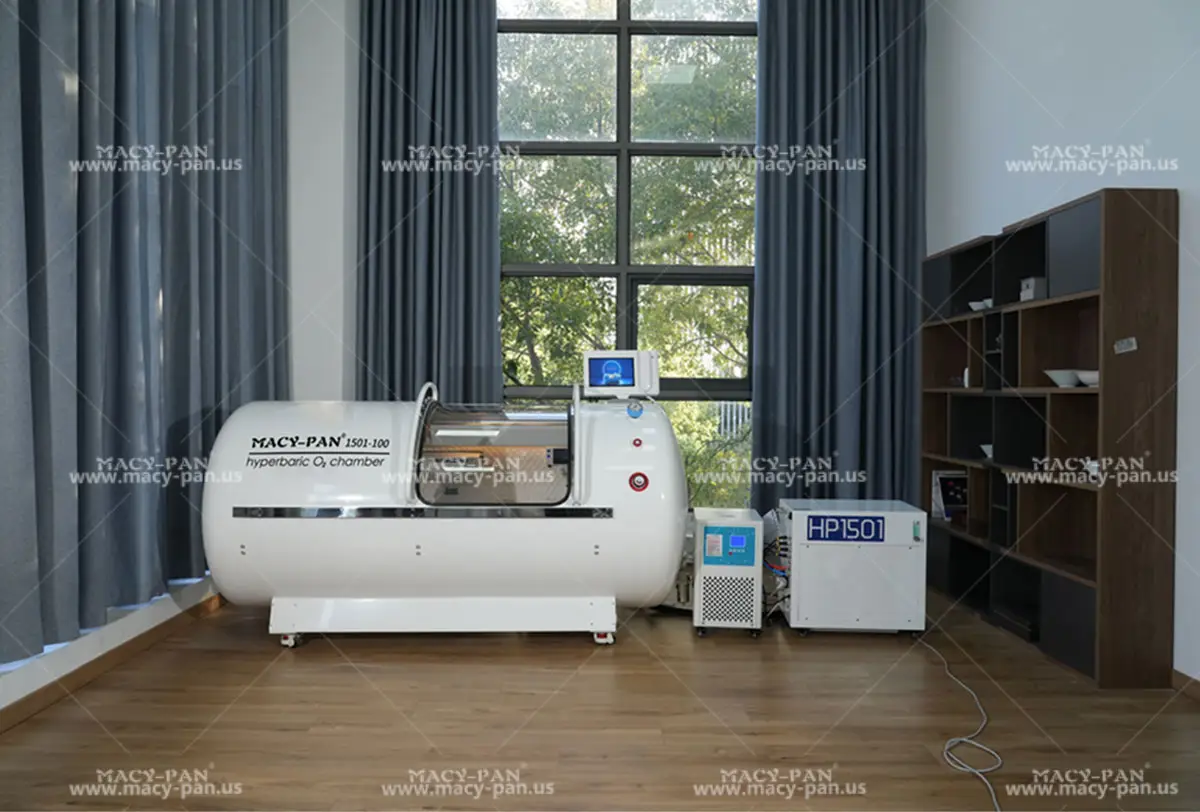
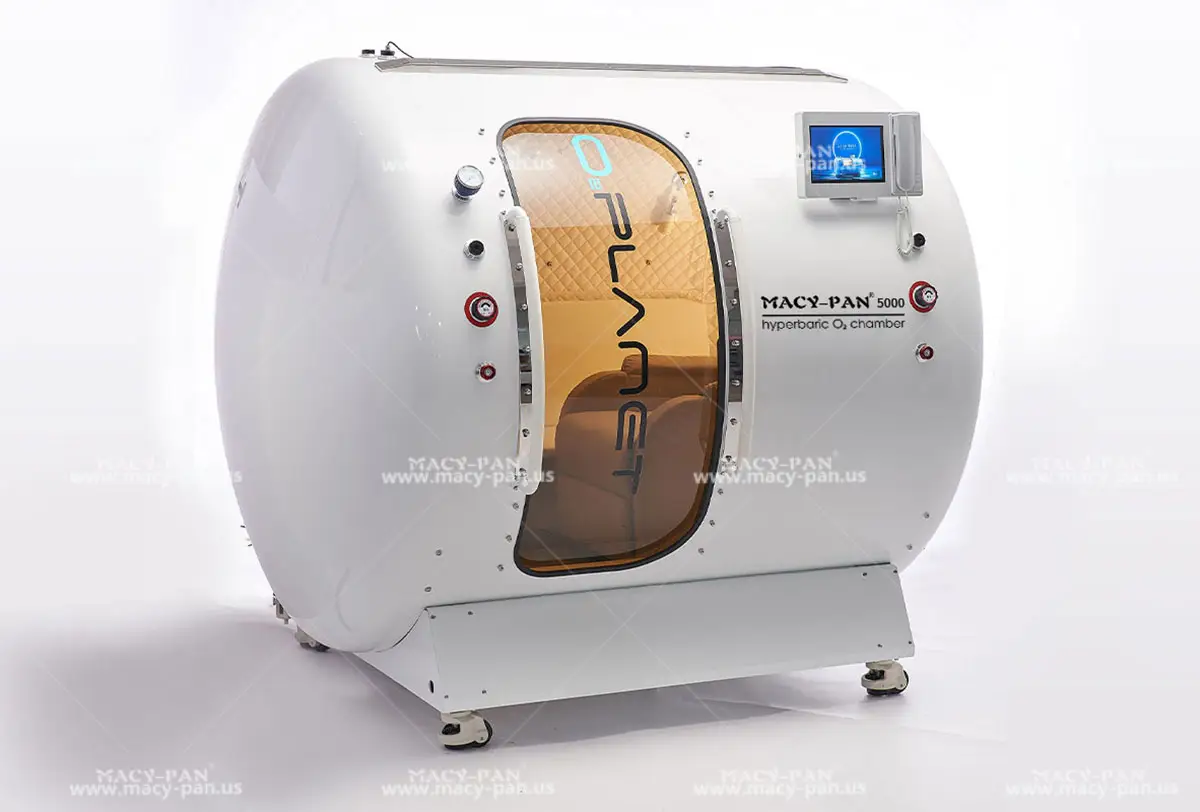
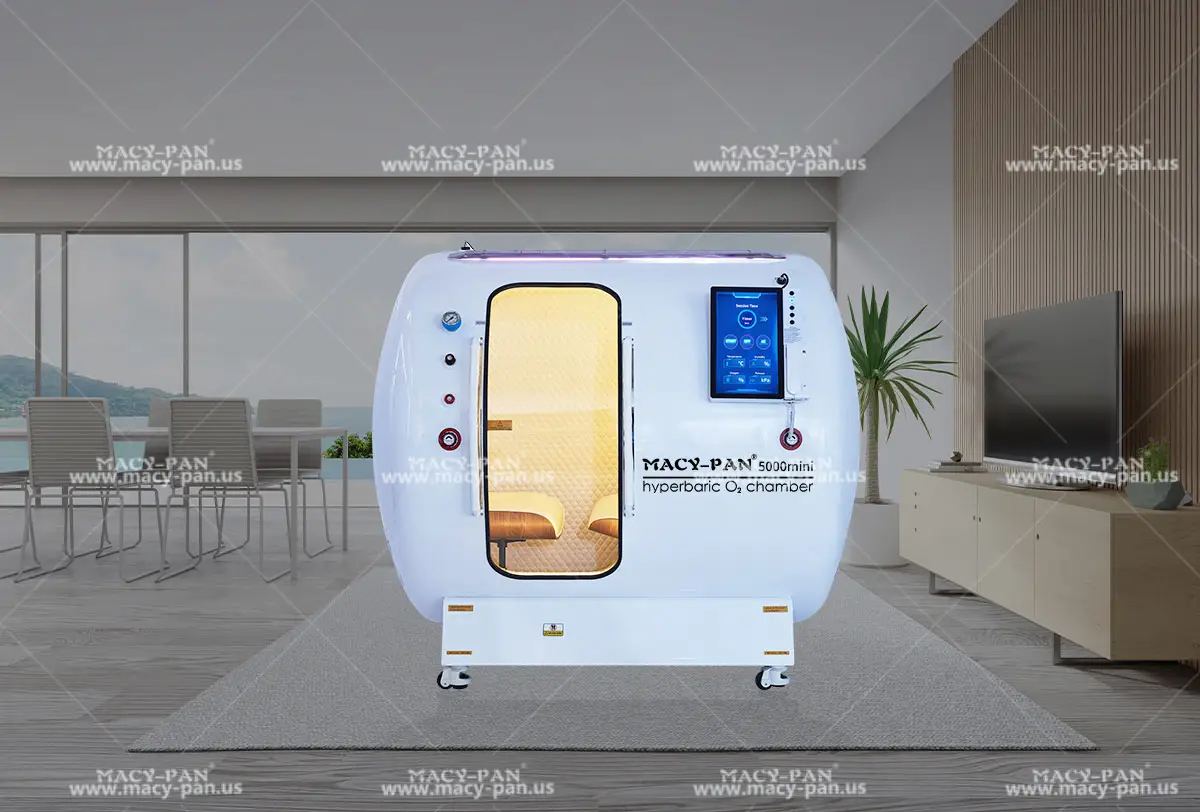
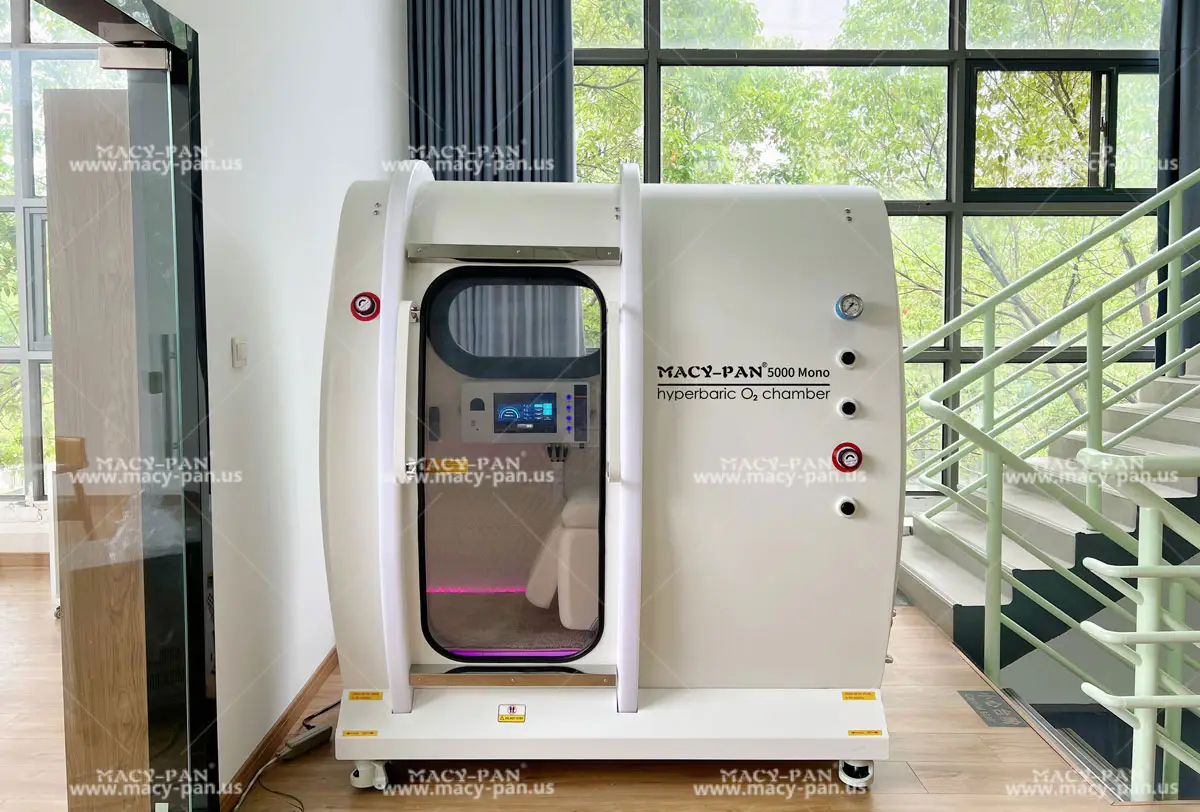
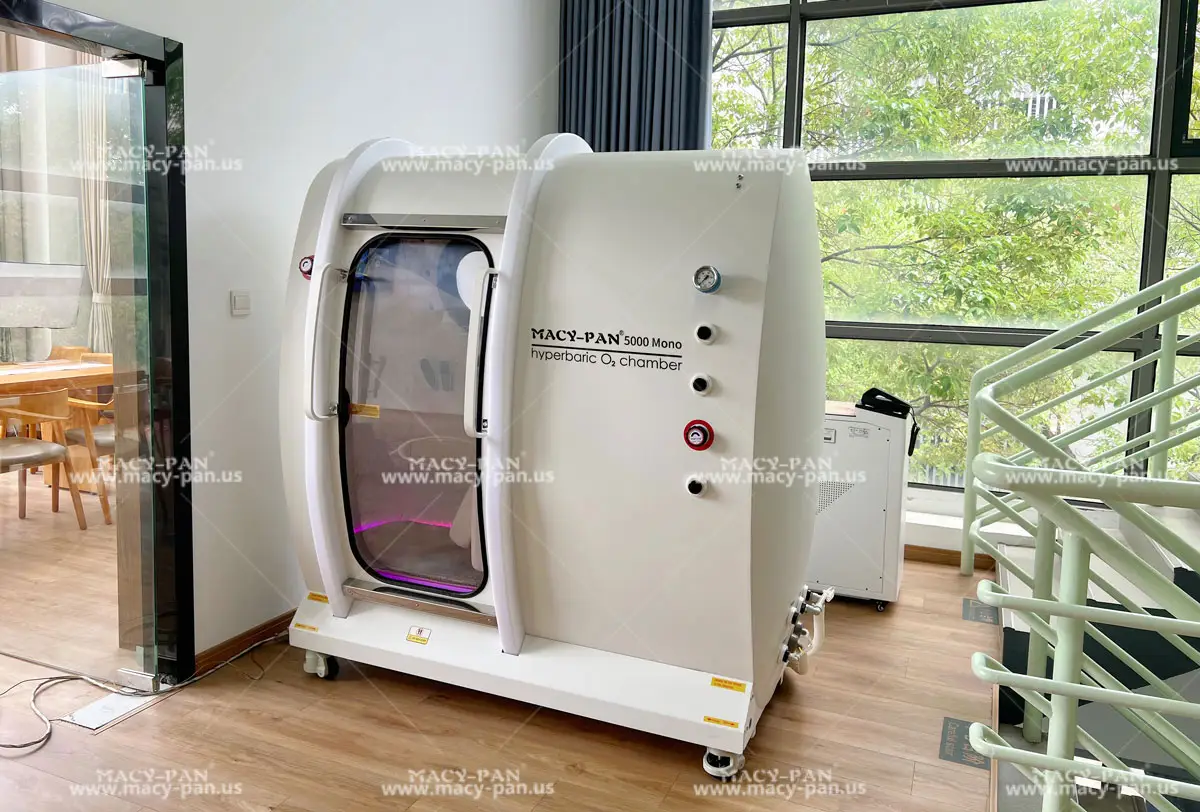
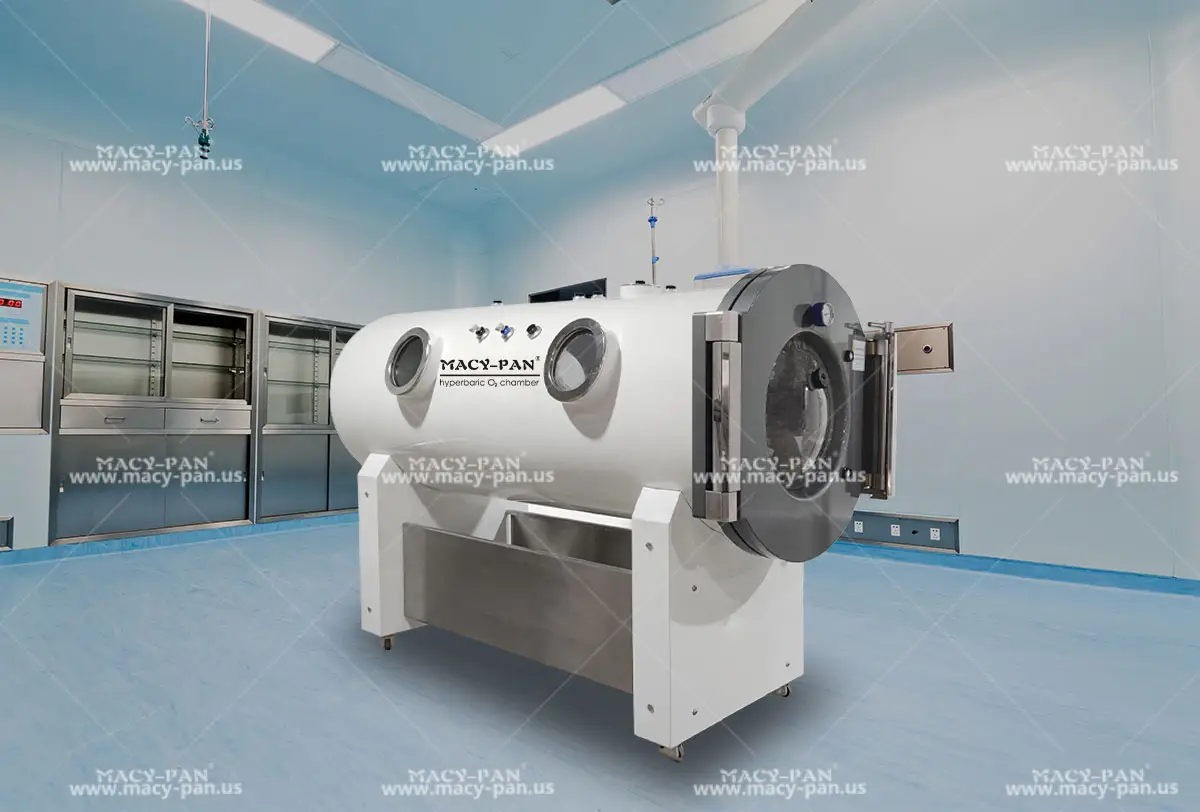
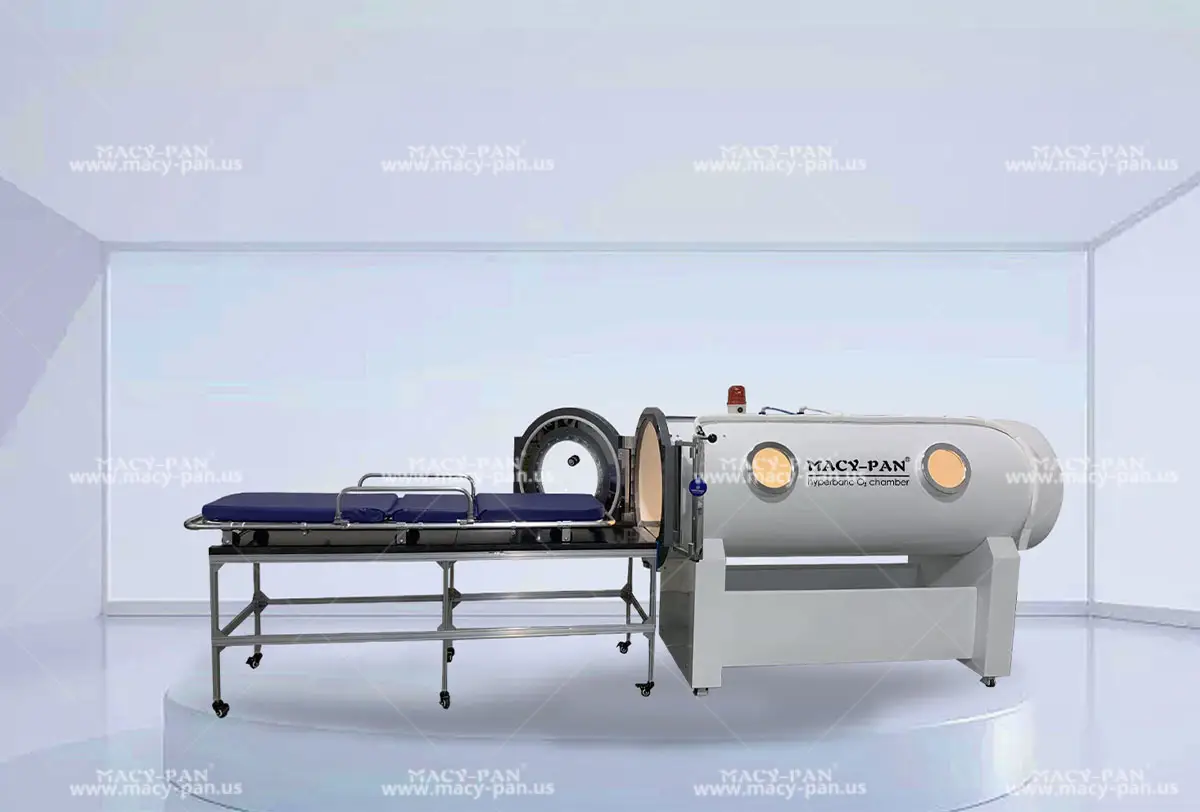
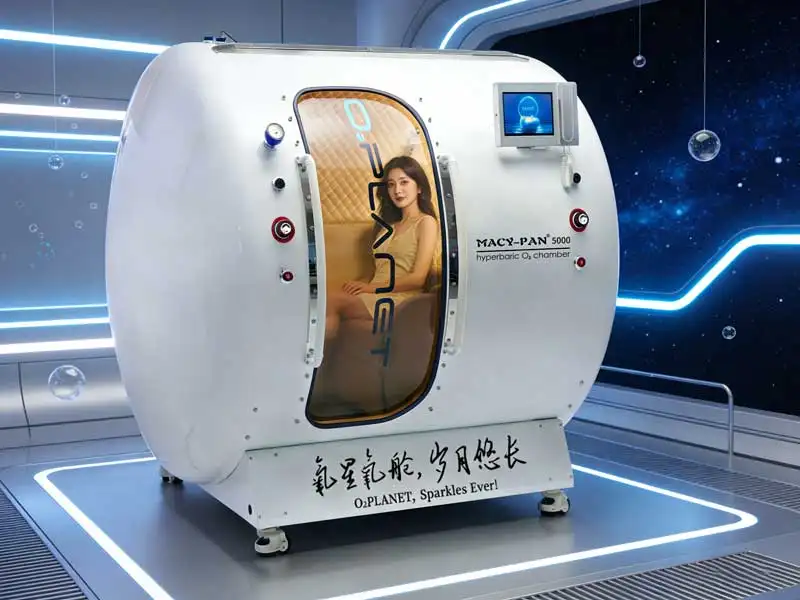
HBOT, a mature and purely physical therapy, is now breaking traditional boundaries. It not only plays a vital role in multidisciplinary disease management but has also emerged as an innovative choice for sub-health. The core principle involves the patient inhaling high-concentration oxygen in a sealed chamber above atmospheric pressure. By enhancing oxygen supply to tissues and cells, and boosting energy synthesis and metabolism, it precisely targets hypoxic-ischemic conditions, complications, and sub-health states. The entire process is non-invasive, painless, and drug-free, with its safety and comfort widely recognized by both medical professionals and patients.
Core Therapeutic Value: Multi-Dimensional Activation of the Body's Self-Healing
The unique advantage of HBOT stems from the dual physical and physiological effects of oxygen under pressure, creating a comprehensive healing system:
- Enhanced Oxygen Delivery:
Oxygen dissolves directly into the plasma in high concentrations, reaching hypoxic tissues affected by ischemia or edema independent of hemoglobin. This provides a "direct oxygen energy" supply for cellular metabolism, with oxygen diffusion distance and rate far surpassing standard oxygen therapy. This effectively reaches "remote" or poorly perfused areas that conventional oxygenation struggles to access.
- Activated Repair Mechanisms:
HBOT stimulates the release of vascular endothelial growth factor (VEGF), promoting angiogenesis (new blood vessel formation) and accelerating collagen synthesis. This mechanism shows significant efficacy in healing refractory wounds, such as diabetic foot ulcers and radiation-induced tissue damage.
- Dual Anti-infective Action:
The therapy directly inhibits the metabolic activity of anaerobic bacteria. Concurrently, it enhances antibiotic penetration into tissues and can help neutralize certain bacterial toxins, providing a dual approach to supporting infection control.
- Inflammation and Injury Regulation:
HBOT causes vasoconstriction, which reduces tissue fluid exudation and helps alleviate symptoms like cerebral edema and burn swelling. Simultaneously, it enhances antioxidant enzyme activity to mitigate ischemia-reperfusion injury, thereby protecting cellular function.
- Neurological and Metabolic Regulation:
It exerts a bidirectional modulatory effect on cerebral cortex function, helps improve neurotransmitter balance, and boosts mitochondrial energy synthesis efficiency. This process essentially "recharges" fatigued cells, making it suitable for both disease treatment and managing suboptimal health states.

Expanding Applications: From Clinical Treatment to Wellness Support
Leveraging its multiple therapeutic mechanisms, HBOT now effectively bridges "Clinical Rescue and Health Management."
(I) Core Clinical Applications Across Specialties:
Emergency Medicine: Provides critical intervention for acute carbon monoxide poisoning, toxic gas inhalation, post-cardiopulmonary resuscitation brain dysfunction, non-cardiogenic pulmonary edema, and air embolism.
Neurosurgery: Serves as an adjunctive treatment for craniocerebral injury, post-operative hematoma evacuation, spinal cord injury, post-cerebrovascular surgery, and radiation-induced brain or spinal cord injury, accelerating neurological recovery.
Neurology: Improves prognosis for ischemic cerebrovascular disease, post-stroke sequelae, recovery phase of cerebral hemorrhage, persistent vegetative state, Parkinson's disease, and vascular dementia.
Orthopedics: Aids rehabilitation for poor fracture healing, post-digital replantation, osteonecrosis of the femoral head, sports injuries, and osteomyelitis.
ENT (Otolaryngology): Helps alleviate conditions like sudden sensorineural hearing loss and tinnitus.
Other Fields: Demonstrates adjunctive value for diabetic foot, postherpetic neuralgia, post-burn skin grafting, cerebral palsy in children, and periodontal disease. (Specific efficacy should be evaluated by a specialist based on individual condition).
(II) Innovative Choice for Suboptimal Health (Wellness Support):
In today's fast-paced life, suboptimal health states—such as insomnia, dizziness, anxiety, memory decline, and chronic fatigue—are increasingly common. Cellular hypoxia is often a core contributing factor. HBOT offers a high-quality, non-pharmacological option through precise oxygen supplementation and neuro-metabolic regulation.
Target Groups: Individuals with fatigue syndrome from chronic sleep deprivation or high-stress work; sleep disorders induced by anxiety or depression; middle-aged and elderly persons with cerebral insufficiency; those experiencing memory decline or poor concentration; and individuals seeking enhanced post-exercise recovery.
Mechanism of Action for Wellness: Increases arterial oxygen partial pressure, reduces blood viscosity, improves cerebral perfusion and alleviates cellular hypoxia. It also helps regulate melatonin secretion and stabilizes mood-related neurotransmitters, addressing the root causes of discomfort.

Contraindications for HBOT:
To ensure safety, the following contraindications must be strictly observed according to the latest clinical guidelines:
Absolute Contraindication: Untreated pneumothorax is the primary absolute contraindication. Pressure changes within the chamber could induce a life-threatening tension pneumothorax. Treatment may only be considered after the condition has been properly managed (e.g., with chest tube drainage).
Medication Conflicts: Patients taking disulfiram or undergoing treatment with certain chemotherapeutic agents (e.g., bleomycin, cisplatin, doxorubicin) must avoid HBOT to prevent synergistic drug toxicity and an increased risk of cardiac/pulmonary damage or oxygen toxicity.
Special Populations: Premature and/or low birth weight newborns are generally unsuitable candidates due to their underdeveloped physiological systems.
Conclusion:
From clinical emergency rescue to daily wellness support, HBOT provides a versatile solution with its non-invasive and safe profile. Experts emphasize that all HBOT, whether for disease treatment or wellness purposes, must be conducted in qualified medical facilities under professional supervision. Patients should fully disclose their medical history, current medications, and health status to receive a professional assessment and a personalized treatment plan.
Article Reprinted from Jinan Third People's Hospital
Hey, I’m Macy-Pan
1# Hyperbaric Oxygen Chamber Manufacturer in China. 18 years of industry experience. 126 countries and regions reached
