





Hyperbaric Oxygen Therapy for Toxicant Poisoning: Mechanisms of Action
2025-11-06The following article is sourced from Ping An · Zhuque Oxygen Healing Space, author: Zhuque
Editor's Note:
Hyperbaric oxygen therapy (HBOT) enhances oxygen delivery under pressure, counteracting the inhibition of cellular respiratory enzymes by various toxins and reactivating mitochondrial respiratory chains. It mitigates retinal ischemic damage induced by drugs like quinine, thereby preserving visual function. HBOT also improves tissue hypoxia caused by diverse intoxications, reduces brain and pulmonary edema, and supports hepatic detoxification to accelerate toxin clearance — securing vital time for recovery in poisoning emergencies.
- Cyanide Poisoning
Cyanides are classified as organic or inorganic compounds. Organic cyanides, also known as nitriles, include highly toxic agents such as hydrogen cyanide—a volatile gas with a characteristic bitter almond odor, high water solubility, and rapid dissociation. Other toxic compounds are potassium/sodium cyanide, acrylonitrile, cyanate esters, and cyanamide. Ferro- and ferricyanides are less toxic due to low dissociation but can generate toxic hydrocyanic acid upon acid exposure.The primary mechanism of cyanide poisoning is inhibition of mitochondrial cytochrome c oxidase. The cyanide ion (CN⁻) binds to ferric iron (Fe³⁺) in the enzyme’s heme group, disrupting electron transport and blocking cellular respiration. Toxicity depends on the liberation rate and quantity of free CN⁻. High lipid solubility of cyanides leads to predominant nervous system injury.
【Etiology】
1.Suicidal or accidental ingestion of cyanide salts or acrylonitrile.
2. Inhalation of hydrogen cyanide gas or dust in electroplating, fumigation, or mining.
- Ingestion of cyanogenic plants—e.g., bitter almonds, ginkgo seeds, or cassava.
4. Iatrogenic overdose of nitroprusside.
【Clinical Manifestations】 Massive ingestion can cause rapid coma, respiratory arrest within minutes, and death.
1.Prodromal Stage: Inhalation causes throat irritation, cough, and tachypnea. Ingestion leads to oropharyngeal numbness, burning sensation, salivation, nausea, vomiting, headache, and dizziness.
- Dyspneic Stage: Tachypnea, bitter almond breath odor, tachycardia, hypertension, arrhythmias, visual/auditory disturbances, flushing, and impaired consciousness progressing to coma.
- Convulsive Stage: Generalized tonic-clonic seizures, opisthotonos, profuse sweating, hypothermia, and diminished reflexes.
- Paralytic Stage: Flaccid paralysis, areflexia, sensory loss, hypotension, respiratory depression, and death from cardiorespiratory failure.
【Conventional Treatment】
- Decontamination: Remove from exposure; administer oxygen. For oral poisoning, perform gastric lavage with 5% sodium bicarbonate or 1:5000 potassium permanganate. Before tube removal, instill ferrous sulfate to form less toxic ferrocyanide.
- Antidotal Therapy: Aimed at generating methemoglobin, which binds CN⁻, forming cyanmethemoglobin, thus protecting cytochrome oxidase. Sodium thiosulfate serves as a sulfur donor, enabling enzymatic detoxification to thiocyanate.
* Immediately inhale amyl nitrite ampules for 30 seconds every 2–3 minutes until IV access is established.
* Administer 3% sodium nitrite IV slowly over 5–10 minutes, followed by IV sodium thiosulfate. Monitor for hypotension during nitrite infusion.
* Alternatives: Hydroxocobalamin binds CN⁻ to form cyanocobalamin (vitamin B₁₂), excreted renally. High-dose glucose may also offer some benefit.
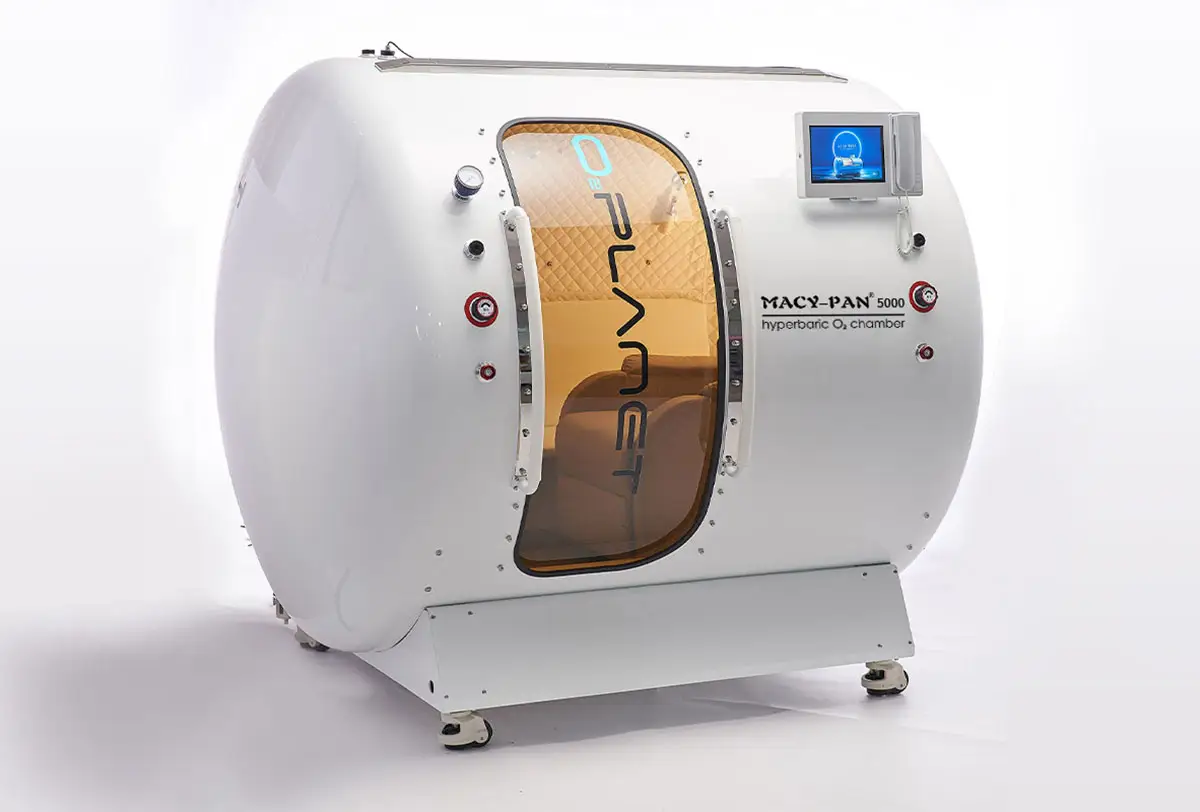
【Hyperbaric Oxygen Therapy (HBOT)】
[Mechanisms of Action]
- Increases dissolved oxygen in plasma, ameliorating tissue hypoxia despite impaired oxygen utilization.
- Enhances mitochondrial oxidative phosphorylation via non-cytochrome pathways.
- May accelerate dissociation of CN⁻ from cytochrome oxidase.
[Treatment Protocol]
Pressure: 1.6–2.5 ATA.
Chamber Selection: Critical cases are best managed in multi-place chambers with continuous medical support and concurrent antidotal therapy.
Frequency & Duration: Begin with 1–2 sessions daily; reduce frequency as the patient stabilizes.
[Efficacy]
HBOT is an established adjunct in severe cyanide poisoning. Animal models demonstrate significantly reduced mortality with HBOT compared to normobaric oxygen or air. Clinical reports, including cases refractory to conventional antidotes, document recovery following HBOT, supporting its role in comprehensive management.
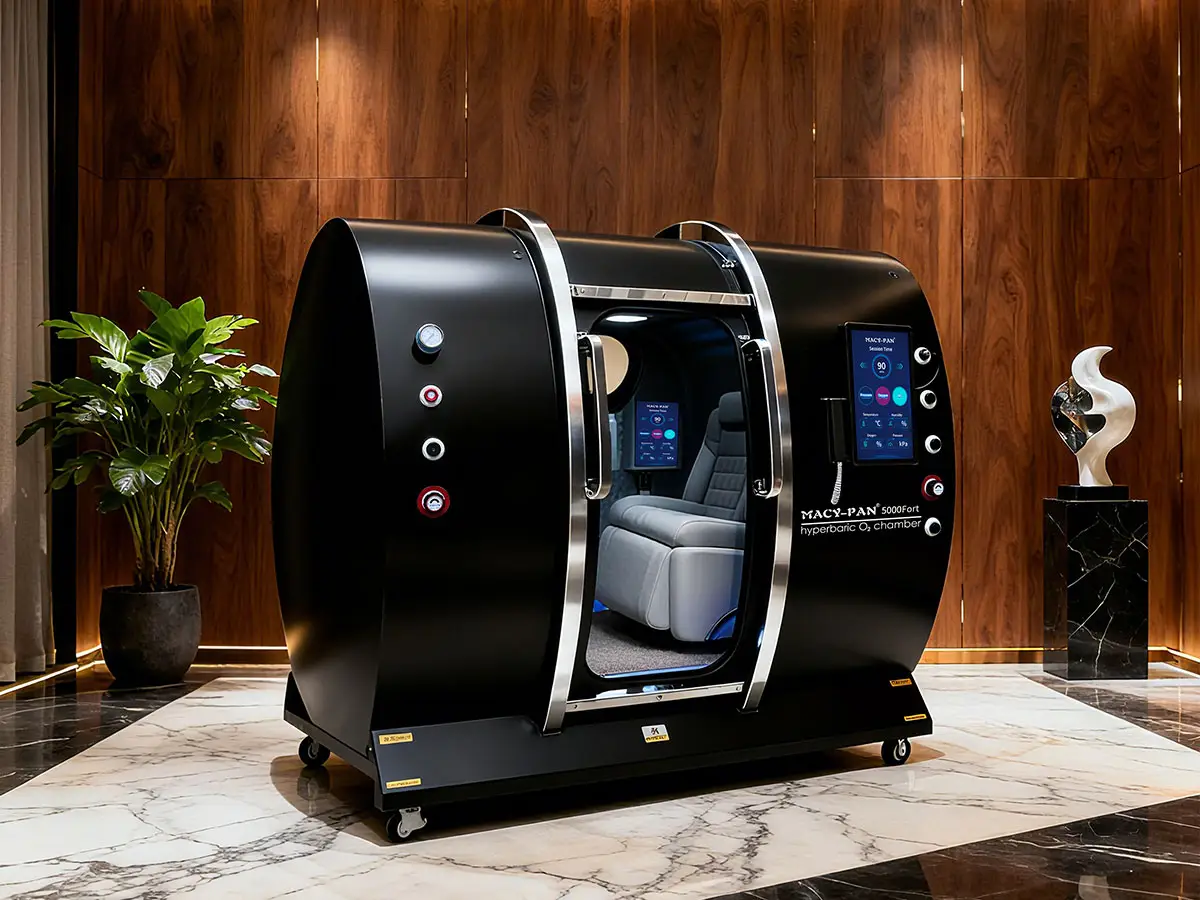
II. Hydrogen Sulfide Poisoning
Hydrogen sulfide (H₂S) is a colorless, toxic gas with a “rotten egg” odor, produced by organic decay or industrial processes (e.g., petroleum refining, sewage treatment). It causes histotoxic hypoxia, irritant injury, and neurotoxicity. H₂S is partially metabolized to non-toxic sulfates and thiosulfate, with some excretion via exhalation. Treatment includes nitrite-induced methemoglobinemia and HBOT, which may improve survival.
【Toxic Mechanisms】
- Irritation: Solubility in moisture forms sodium sulfide, causing mucosal inflammation.
- Histotoxic Hypoxia: Like cyanide, H₂S inhibits cytochrome c oxidase, causing cellular asphyxia.
- Enzyme Inhibition: Reacts with metallo- or sulfhydryl-containing enzymes, disrupting metabolic pathways.
- Neurotoxicity: Initially stimulates, then depresses respiratory centers; high concentrations cause sudden synopal collapse (“knock-down” effect).
【Clinical Manifestations】
- Acute Poisoning:
* Mild: Ocular and respiratory irritation (conjunctivitis, cough).
* Moderate: Added symptoms include keratitis, bronchospasm, headache, nausea.
* Severe: Altered mental status, seizures, coma, pulmonary edema, cardiorespiratory collapse. Rapid death can follow single breath of high-concentration H₂S.
* Sequela: Survivors may experience cognitive deficits, ataxia, parkinsonism, or chronic fatigue.
- Chronic Low-Level Exposure: May cause asthenia, headache, cognitive complaints, and autonomic dysfunction.
【Conventional Management】
Immediate removal from contaminated atmosphere; administer 100% oxygen.
Eye irrigation with bicarbonate solution; consider steroid eye drops.
Supportive respiratory care; intubation and mechanical ventilation if needed.
Antidote: Sodium nitrite IV (as in cyanide poisoning) to generate methemoglobin.
【Hyperbaric Oxygen Therapy (HBOT)】
[Mechanisms of Action]
- Reverses histotoxic hypoxia by oxygen diffusion independent of cytochrome function.
- Facilitates H₂S dissociation from cytochrome oxidase.
- Reduces cerebral and pulmonary edema.
[Treatment Protocol] 1.6–2.5 ATA; 60–90 minutes of oxygen breathing; 2–3 sessions initially, tapering as improved.
[Efficacy] Animal studies confirm synergism between nitrites and HBOT, with combined therapy yielding highest survival. Clinical outcomes support HBOT use, with reported effectiveness exceeding 95%.
III. Quinine Poisoning
Quinine, a cinchona alkaloid used for malaria and nocturnal leg cramps, has a narrow therapeutic index. Toxicity manifests as cinchonism, cardiovascular depression, and ocular toxicity, including irreversible retinal damage.
【Etiology】
1.Accidental or intentional overdose (>8 g may be fatal).
2.Hypersensitivity reactions.
【Clinical Features】
1.Cinchonism: Tinnitus, hearing loss, headache, nausea, visual disturbances.
2. Cardiovascular: Hypotension, conduction abnormalities (QT prolongation), arrhythmias.
3. Ocular: Blurred vision, scotomas, visual field constriction (tunnel vision), and potential permanent blindness.
【Conventional Treatment】
- Cessation of quinine.
- Activated charcoal if presenting early.
- Cardiovascular monitoring and supportive care.
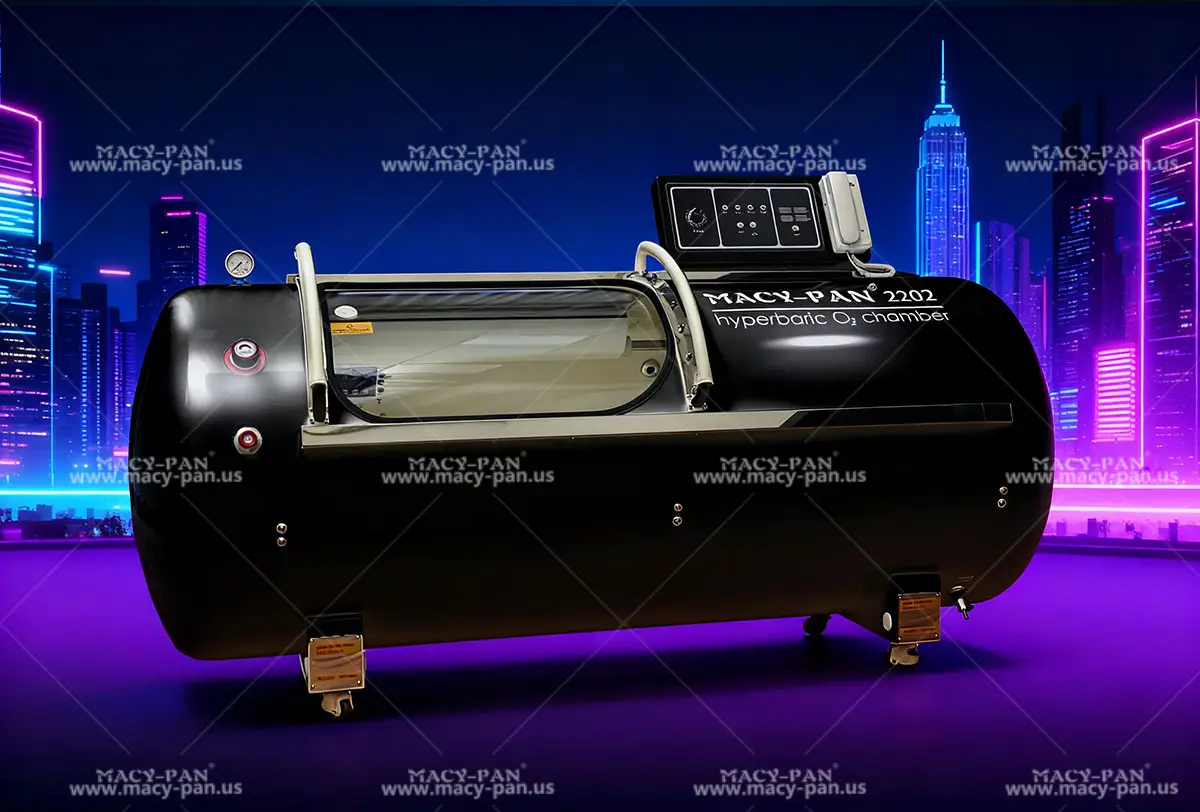
【Hyperbaric Oxygen Therapy (HBOT)】
[Mechanisms of Action]
1.Increases retinal and optic nerve oxygen tension, mitigating ischemic injury.
2.Reduces cerebral edema and supports neuronal recovery.
3.Enhances hepatic and renal perfusion, promoting elimination.
[Treatment Protocol] 1.6–2.5 ATA; treatment schedule tailored to severity, particularly visual symptoms.
[Efficacy】 HBOT may improve visual outcomes in acute quinine amblyopia, especially when initiated promptly. Case series report visual recovery after HBOT in antidote-refractory cases.
[Adjunctive Measures] Combine with vasodilators and standard care for optimal effect.
Hey, I’m Macy-Pan
1# Hyperbaric Oxygen Chamber Manufacturer in China. 18 years of industry experience. 126 countries and regions reached
