






















"Limb"-erance is Bliss: Hyperbaric Oxygen Rekindles Hope for Diabetic Foot Patients
2025-11-27
Article reposted from the WeChat public account "Jilin Provincial Hospital"
Clinical practice shows that the optimal comprehensive treatment plan combines blood sugar control, debridement, wound dressing, and hyperbaric oxygen therapy (HBOT) to promote wound healing.
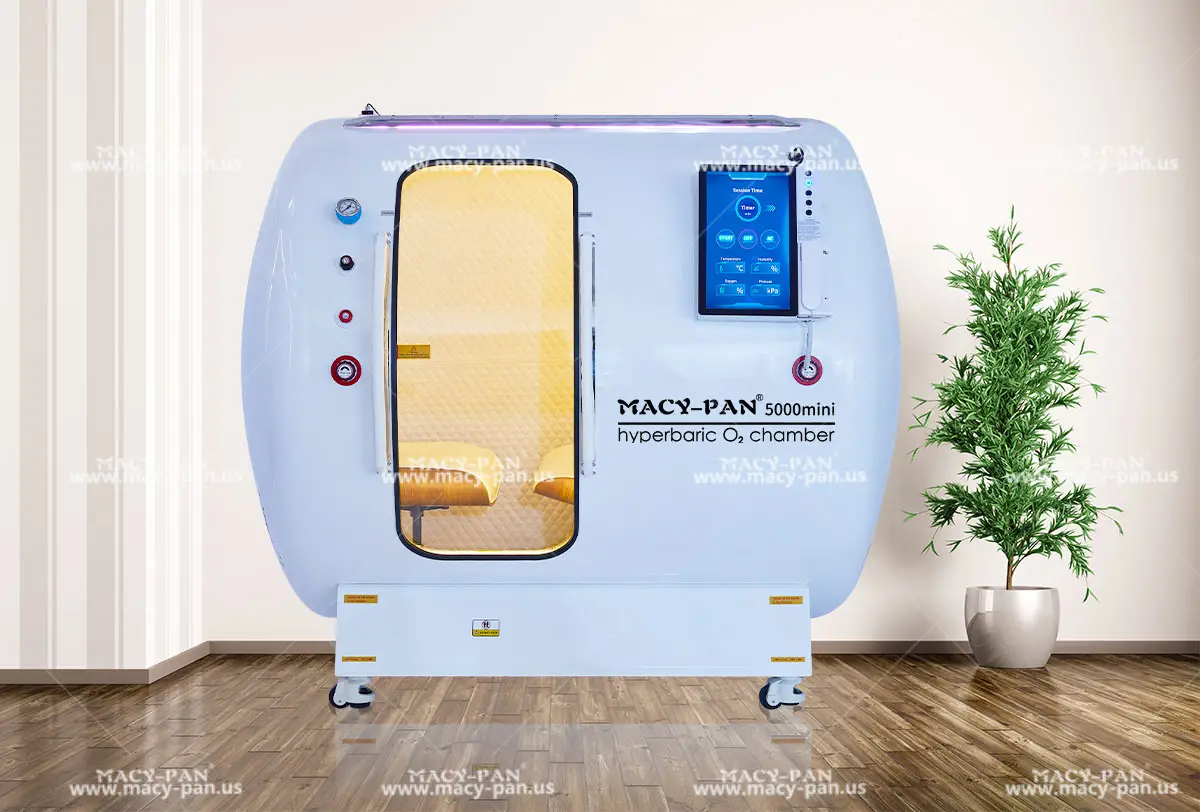
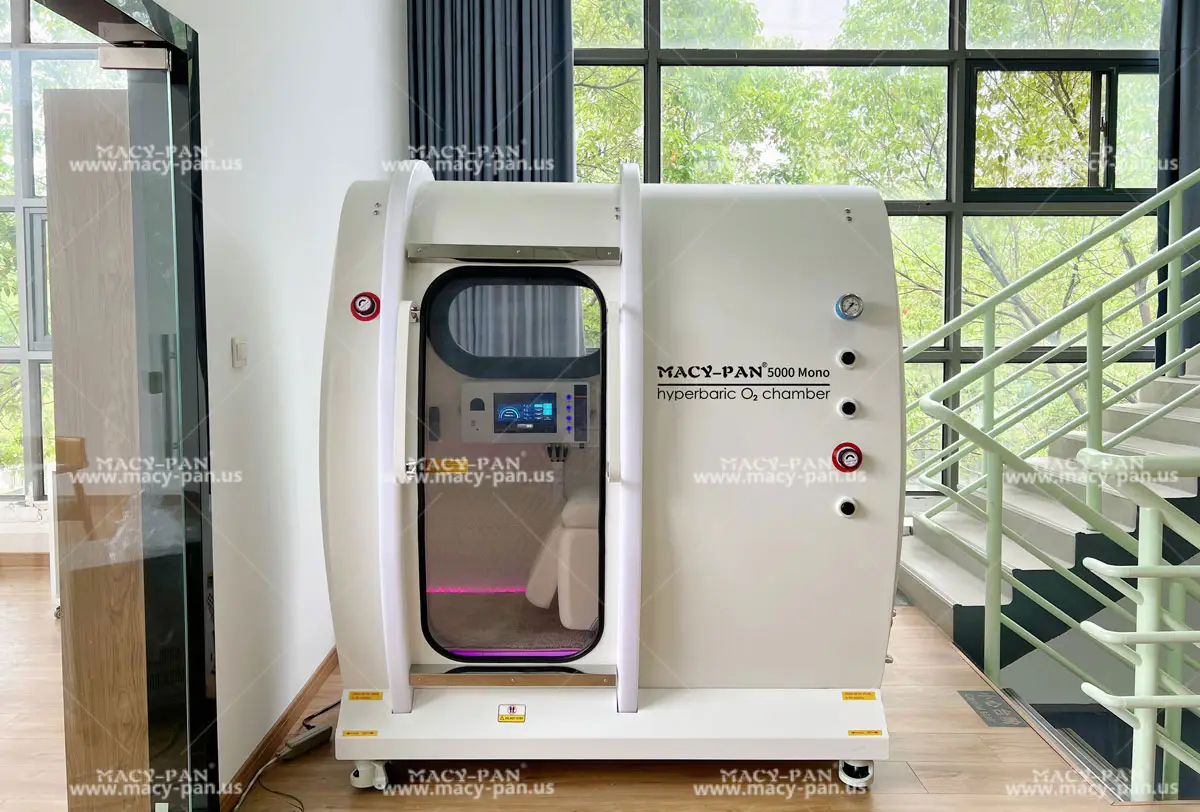
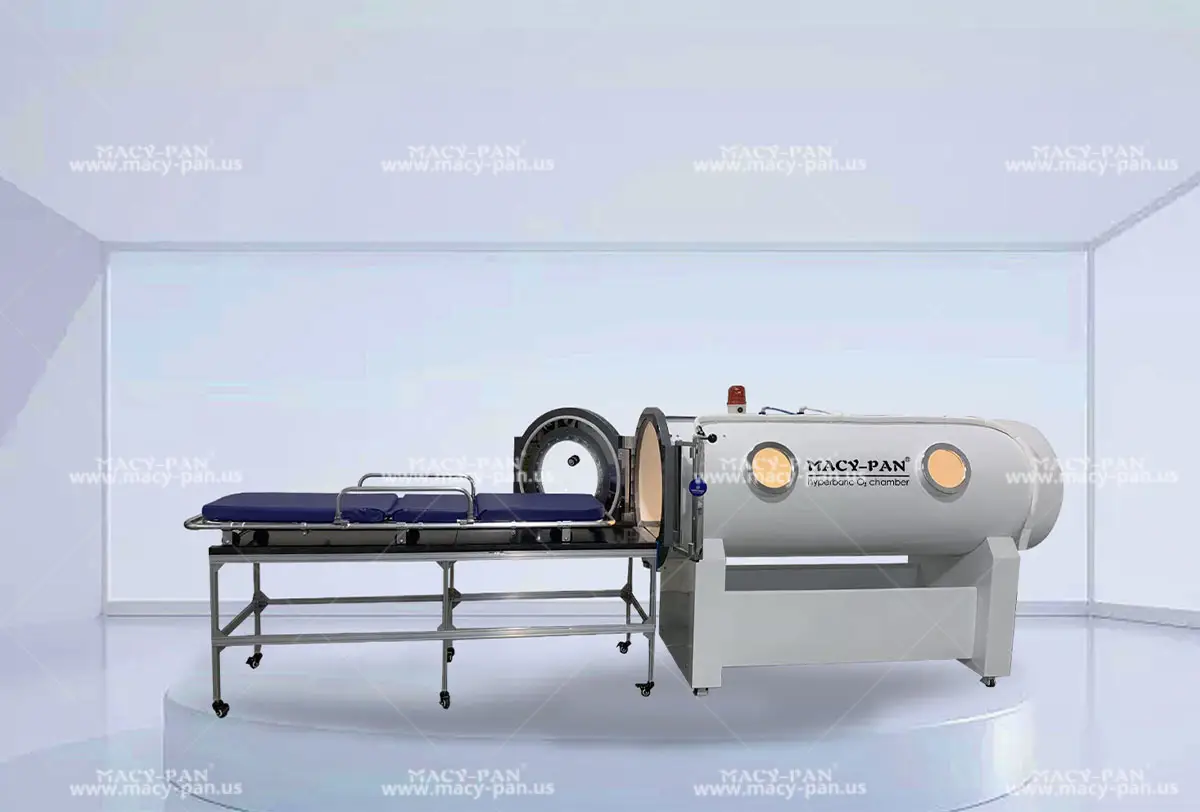
HBOT increases blood oxygen partial pressure, improves hypoxia in foot tissue, promotes angiogenesis and the establishment of collateral circulation, enhances the bactericidal ability of white blood cells, and accelerates ulcer healing. When used as part of a comprehensive treatment for diabetic foot, HBOT can significantly improve ulcer healing rates, markedly reduce the risk of amputation, and alleviate patient suffering and family burden.

As the saying goes, "Happiness lies in contentment," but for 57-year-old Mr. Wang, a diabetic foot patient, the past 10 months have been filled with pain and anxiety due to ulceration and exposed phalanges in his right foot – a situation where his foot posed a life-threatening problem. Globally, a leg is lost to diabetes every 20 seconds. The 5-year mortality rate after amputation is as high as 50%-70%, a risk comparable to many cancers. Where is the happiness? How could he be "content" with his foot? His happiness once seemed like an impossible dream. That was until the introduction of hyperbaric oxygen therapy brought a turning point for him and his foot.
- What Led to the "Foot"? The Harsh Reality of Diabetic Foot
The patient, Mr. Wang from our Endocrinology and Metabolism Department II (Diabetic Foot Diagnosis and Treatment Center), had a 10-month history of ulceration on his right toes. It started with broken skin on his right toes, gradually worsened, and resulted in the absence of all five toes. Necrotic tissue was visible on the sole, with exposed bone stumps. Past medical history included a right lower limb arterial balloon angioplasty 5 months prior, a 20-year history of diabetes, and a 10-month history of lower limb arterial occlusion. HBOT began on May 20, 2025, at a treatment pressure of 2.0 ATA. He continues to receive HBOT along with regular wound care and other symptomatic treatments.
Diabetic foot is one of the most severe and costly complications of diabetes. Its seriousness and impact go far beyond "a wound on the foot"; it represents a systemic and destructive health crisis.
(A) Severity of Diabetic Foot:
High amputation and mortality rates.
Deep tissue destruction and osteomyelitis.
Difficult-to-control infections.
Dual damage: circulatory and neurological.
(B) Devastating Impact on Quality of Life:
Intense physical pain.
Loss of mobility and freedom.
Significant psychological trauma.
Heavy financial burden.
Care dependency and family pressure.
- Saving the "Foot": Comprehensive Modern Medical Treatment
The core of diabetic foot treatment is "Source Control + Repair," requiring coordinated multi-modal approaches to halt disease progression. The conventional diagnosis and treatment system primarily focuses on these four aspects:
- Basic Glycemic Control: Using oral hypoglycemic drugs, insulin injections, or insulin pumps to strictly maintain blood sugar within target ranges (fasting 4.4-7.0mmol/L, non-fasting <10.0mmol/L). This is fundamental to preventing further damage to foot nerves and blood vessels.
- Debridement and Wound Care: Thorough removal of necrotic tissue and pus from ulcerated or gangrenous foot areas by professional healthcare workers. This keeps the wound bed clean, creates conditions for new tissue growth, and involves regular dressing changes to protect the wound from secondary injury.
- Revascularization: Addressing lower limb vascular stenosis or occlusion through interventional procedures (like balloon angioplasty or stenting) or surgical bypass grafts. This restores blood flow to the foot, addresses the issue of "ischemic necrosis," and is a key step in limb salvage.
- Anti-infective Therapy: Based on wound culture and sensitivity tests, selecting appropriate antibiotics (oral or IV) to control local or systemic infection and prevent serious complications like sepsis.
Building upon the conventional treatments above, Hyperbaric Oxygen Therapy serves as an important adjunct. By allowing patients to breathe pure oxygen in a pressurized environment, it significantly increases oxygen concentration in the blood and tissues, accelerating wound healing and reducing local inflammation. It is particularly effective for diabetic foot patients with severe ischemia and hypoxia who respond poorly to conventional treatment, effectively improving limb salvage rates.

- Oxygen "Sole"-ution: The Remarkable Effects of HBOT
- Promotes Wound Healing: HBOT increases local oxygen supply to the wound, accelerates granulation tissue growth and epithelialization, and promotes healing. For instance, Harbin First Hospital successfully used HBOT as an adjunct to comprehensive surgical treatment for a diabetic foot patient facing amputation due to necrotic infection in a small toe. The wound gradually closed and healed completely, saving the patient's lower leg.
- Improves Blood Circulation: It can improve whole blood viscosity and arterial blood flow velocity in the affected lower limb of diabetic patients, increasing oxygen levels in the distal tissues and alleviating ischemia.
- Inhibits Inflammatory Response: HBOT can downregulate pro-inflammatory factors like TNF-α and IL-6, alleviating chronic inflammation. It also has bacteriostatic effects and can enhance the efficacy of antibiotics, helping control wound infection.
- Promotes Nerve Repair: HBOT improves oxygen supply to tissues, correcting hypoxia in peripheral nerves. It has a therapeutic effect on tissue hypoxia and peripheral neuropathy, aiding in the recovery of sensation and function in the foot.

- The Path to Being "Foot"-loose: Treatment Course and Recovery Outlook
- Detailed HBOT Treatment Plan:
Treatment Pressure: Typically 2.0 ATA (atmospheres absolute), a safe and effective pressure.
Treatment Frequency: Once daily, 5-6 times per week, ensuring consistent promotion of wound healing.
Total Course: Depending on severity, generally 40-60 sessions are needed for comprehensive tissue repair and improved blood supply.
- Prognosis Outlook:
Patients who complete the full course of HBOT can often achieve:
Gradual wound healing, avoiding amputation.
Sustained improvement in lower limb blood flow, reducing recurrence.
Significantly enhanced quality of life, regaining mobility and freedom!
Diabetic foot treatment requires "Early Detection, Early Intervention, Early Treatment"! If you or a family member faces a similar problem, please consult a professional medical team to develop a personalized treatment plan.
Hey, I’m Macy-Pan
1# Hyperbaric Oxygen Chamber Manufacturer in China. 18 years of industry experience. 126 countries and regions reached
